









Scientific & Medical Advisory Board
Our scientific advisory board brings together leading experts in cardiology, home monitoring, and medicine.

Milton Packer, MD
Baylor University
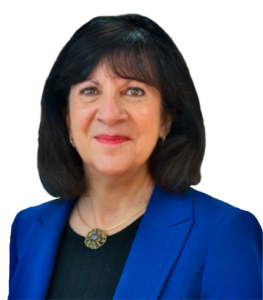
Nancy Albert, PhD, CHFN
Cleveland Clinic

Mike Parmacek, MD
UPenn
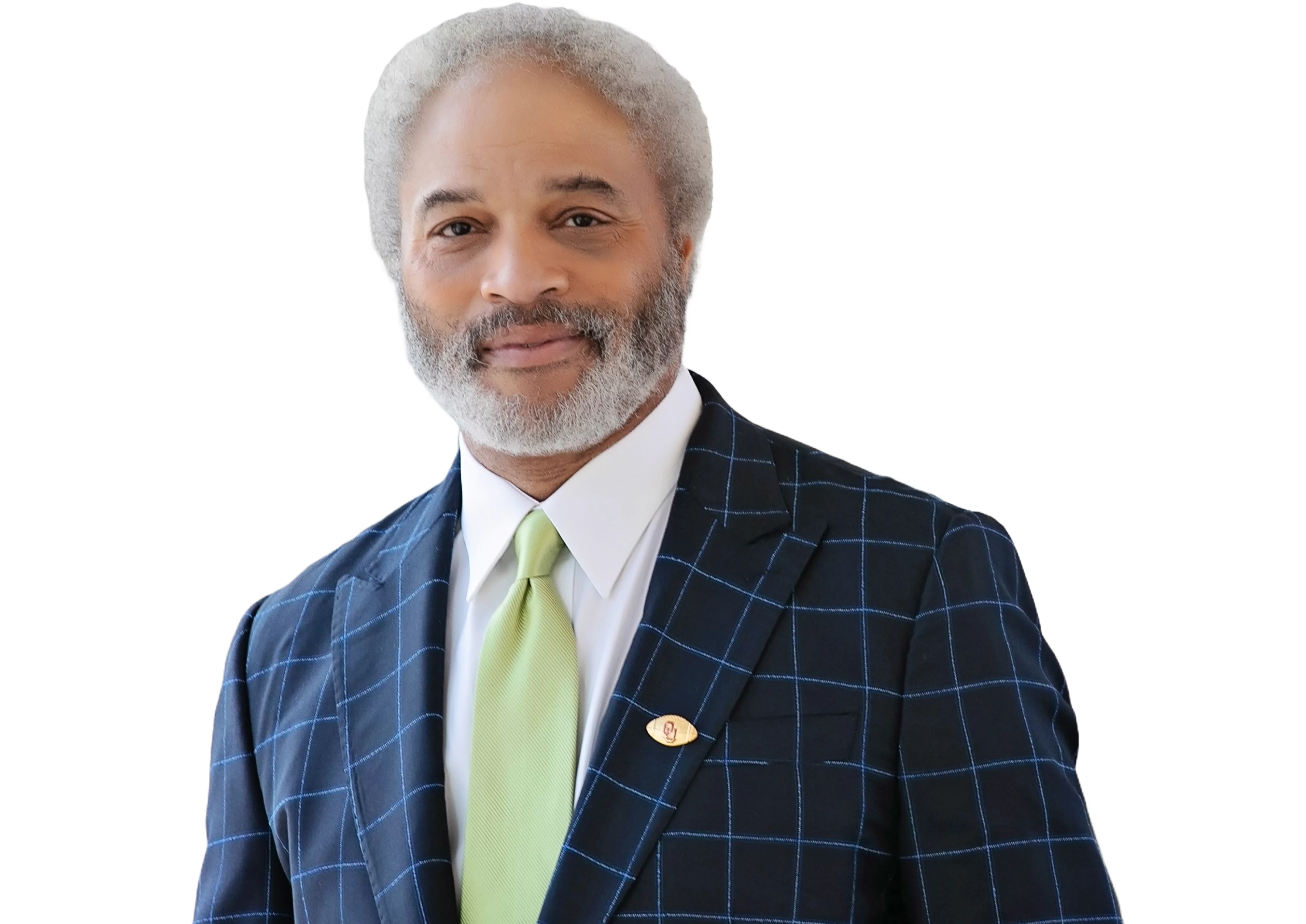
John Flack, MD
SIU

Jeff Leiden, MD, PhD
Vertex
Publications
The science behind the seat. Peer-reviewed research supporting effortless, everyday health monitoring.
Industry News
See what the industry is saying about the Smart Seat and the future of passive home health monitoring.
Your Blood Pressure Reading Contains a Hidden Number — and Here's Why It Matters
Pulse pressure (the gap between systolic and diastolic readings) signals arterial stiffness, and new research links a higher genetic risk for elevated pulse pressure to a 16% greater risk of dementia-related death—making it a heart and brain health marker worth watching alongside standard blood pressure.
Read articleMore Americans Want to Age at Home. How One Couple Plans to Make It Work.
The Hugheses, a Rochester, NY couple, are renovating their existing home rather than pay for costly assisted living, reflecting a broader trend of Americans choosing to age in place with help from builders and remodelers.
Read article'How Low Can You Go?' The Shifting Guidelines for Blood Pressure Control
New AHA/ACC guidelines lower the threshold for hypertension and now give a top-tier clinical recommendation to aggressive blood pressure control as a way to reduce cognitive impairment and dementia—underscoring the importance of passive, continuous monitoring at home.
Read articleFrom Toilets to AI Trackers: The Future of Health Tech Is Here
At CES 2026, smart toilet systems took center stage — analyzing hydration, tracking biomarkers, and alerting caregivers when a bathroom goes unused. A watershed moment for in-home diagnostics and the aging-in-place movement.
Read articleTop Healthcare Trends of 2026: Aging in Place Is Driving Innovation in Home-Based Care and Technology
Driven by seniors' strong preference to age in place and shrinking nursing home capacity, the AgeTech market is booming with innovations like remote patient monitoring, AI, and smart home tech—pushing providers, payors, and policymakers to adapt their models to support independent living.
Read articleDo You Need a High-Tech Toilet?
AARP spotlights the rise of health-monitoring smart toilet seats — and calls out Casana by name as an AgeTech Collaborative company working to bring continuous blood pressure monitoring to the bathroom.
Read article